Hermann Ebbinghaus and the Science of Memory
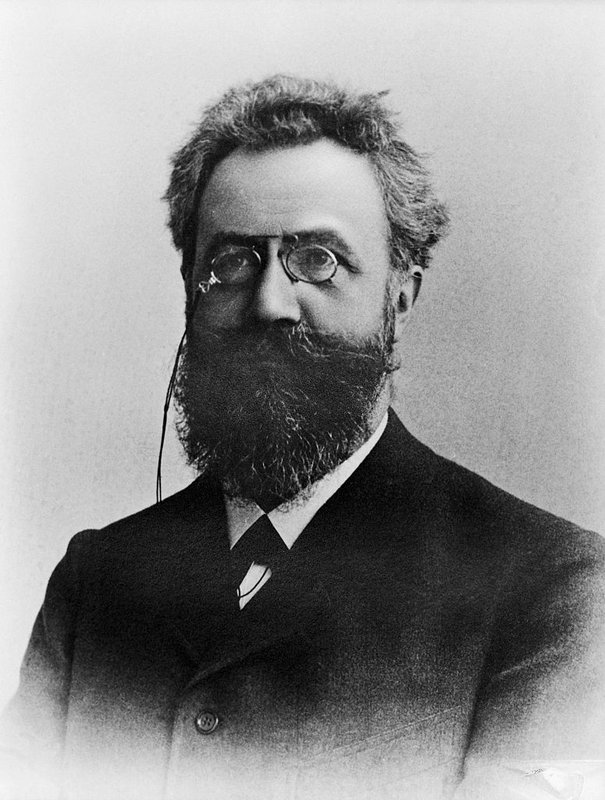
Hermann Ebbinghaus
The human mind is a fickle creature. It is prone to dozens of cognitive biases, and the way it is strengthened, is paradoxical:
To learn, you must forget
The above is a mantra all my students are familiar with, and derives from an understanding of Ebbinghaus’ forgetting curve.
Additionally, the human-mind is highly fragile:
And biologically expensive:
Whilst this sword is double-edged; it enables our creativity, capacity for complex thought, reasoning, etc.; the design of this organ leads to largely improper use by its hosts.
Analogously, we may consider our smartphone with an “App” called “Brain”. This app – although capable – immediately drains your battery by 20%. Suddenly, it’s not an app that you would prefer to use.
Once again, the strengthening of the brain muscle becomes an unintuitive, paradoxical concept—a recurring motif.
This page serves as a rolodex for the following leaf blogs:
├── spaced repetitionHermann Ebbinghaus