“Simplicity is the final achievement. After one has played a vast quantity of notes and more notes, it is simplicity that emerges as the crowning reward of art.”
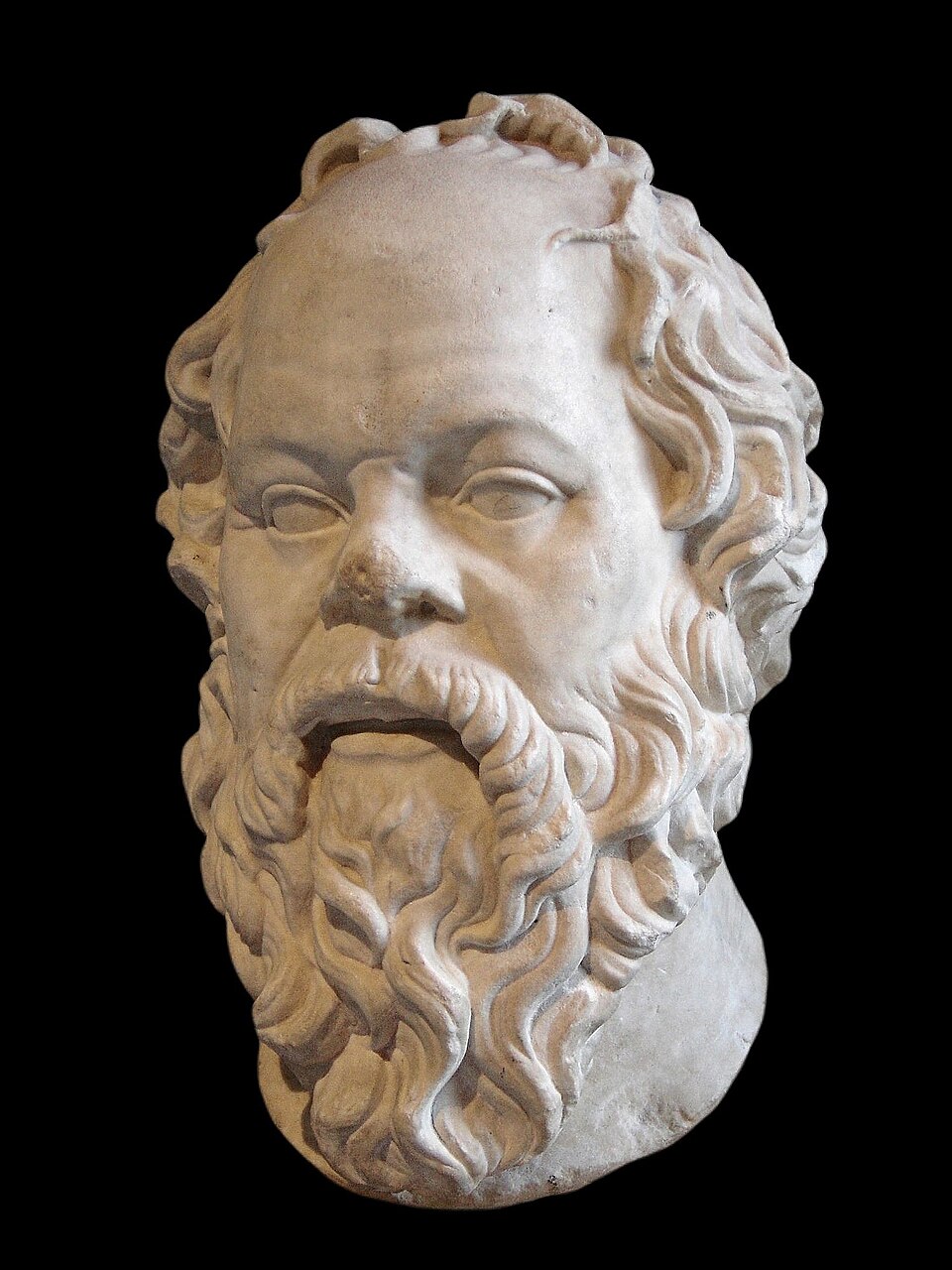
Socrates, Roman marble after a Greek bronze by Lysippos — the Louvre. He was, by every account including his own, remarkably ugly: snub nose, bulging eyes, the face of a satyr. Athens never forgave him for showing them that beauty was elsewhere.
The human mind is a fickle creature. It is prone to dozens of cognitive biases, and the way it is strengthened, is paradoxical:
To learn, you must forget
The above is a mantra all my students are familiar with, and derives from an understanding of Ebbinghaus’forgetting curve.
Additionally, the human-mind is highly fragile:
vulnerable to brain damage (dementia)
psychological impairments
And biologically expensive:
contributes a meagre 2% of the human mass
is responsible for 20% of the body’s energy consumption.
Whilst this sword is double-edged; it enables our creativity, capacity for complex thought, reasoning, etc.; the design of this organ leads to largely improper use by its hosts.